
For many students like 10-year-old Jacob, writing can feel like an uphill battle. He avoids it altogether, and his mother, Emma, feels lost. Jacob dreads writing assignments, often tearing up in frustration before even starting. She knew he needed help, but she wasn’t sure where to begin.

As an NILD Educational Therapist, I hear stories like this all the time. Some students struggle with the physical aspects of handwriting, others get stuck on spelling and word formation, while still others feel paralyzed by sentence structure and grammar. For some, organizing their ideas is the biggest hurdle. In Jacob’s case, he struggled with writing stamina and confidence. The frustration, fatigue, and self-doubt that come with writing difficulties often lead to disengagement and a lack of confidence.
If you’re an educator or a parent like Emma, you may wonder how to help. The good news is that reluctant writers can build stamina, motivation, and a sense of accomplishment with the right support and strategies.
When I meet parents like Emma, we talk about these five key strategies:
1. Create a Low-Pressure Writing Environment
Many students resist writing because they feel pressure to “get it right” on the first attempt. Instead of focusing on perfect spelling, grammar, or structure, encourage them to write freely. Timed, low-pressure writing exercises help students express their thoughts on paper without fear of making mistakes. A simple strategy is to set a timer for 5-10 minutes and allow them to write continuously about any topic of their choice. The goal is to get words on the page without worrying about corrections.
2. Offer Choice in Writing Topics
When students feel personally connected to what they write, they engage more deeply. Allowing them to choose their own subjects—whether it’s a favorite hobby, an exciting memory, or a creative story—can significantly boost motivation.
If they struggle with ideas, provide prompts like:
- If you could travel anywhere in the world, where would you go and why?
- Write about a time when you felt really proud of yourself.
- Invent a new superhero and describe their powers.
Emma encouraged Jacob to write about his favorite topics: dinosaurs, space travel, and video games. The breakthrough came when he wrote a short story about an astronaut dog exploring Mars. When Emma read it back to him with excitement, Jacob’s face lit up. Over time, his confidence grew, and writing became a creative adventure rather than a dreaded task.

3. Use Multisensory Approaches
Traditional pen-and-paper writing can feel overwhelming for some students, especially those with learning differences. Using multisensory tools can make writing more engaging and accessible.
Some effective strategies include:
- Dictation or Voice-to-Text Tools: Let students speak their thoughts before typing or handwriting them.
- Sticky Notes or Graphic Organizers: Help students visually organize their ideas before drafting.
- Coloured Markers for Editing: Use different colors to highlight sentence structure, spelling, and punctuation in an interactive way.
Emma introduced Jacob to voice-to-text tools so he could express his ideas without getting stuck on spelling. These strategies transformed writing from a frustrating chore into a more fluid and enjoyable process.
4. Celebrate Small Successes
Building writing confidence doesn’t happen overnight. Recognizing small milestones can make a big difference. Whether it’s writing a full paragraph, using a new vocabulary word, or staying focused for an entire writing session, celebrating progress reinforces growth.
Rather than using vague words of support like “good job”, share encouragements that acknowledge effort and specific achievements. Some examples include:
- “I love how you described the setting in this sentence!”
- “Great job writing for the full five minutes without stopping!”
- “Your introduction really grabs the reader’s attention!”
These positive reinforcements help students feel proud of their achievements and eager to keep improving.
5. Provide Supportive Feedback
Constructive feedback plays a crucial role in helping students improve without feeling discouraged. Instead of overwhelming them with corrections, focus on one or two areas at a time. A great approach is the “Three Compliments and a Wish” method:
Compliments: Highlight three things the student did well (e.g., strong word choice, creative ideas, clear organization).
Wish: Offer one area for improvement in a positive way (e.g., “I wish you would add more details about how the character feels”).
This method keeps students motivated while gradually refining their writing skills.
Final Thoughts: Confidence Grows with Practice
Every writer—no matter their age or ability—can improve with the right support and encouragement. By creating a low-pressure writing environment, offering choice, using multisensory techniques, celebrating progress, and providing constructive feedback, we can help reluctant writers build the confidence they need to succeed.
Take the Next Step
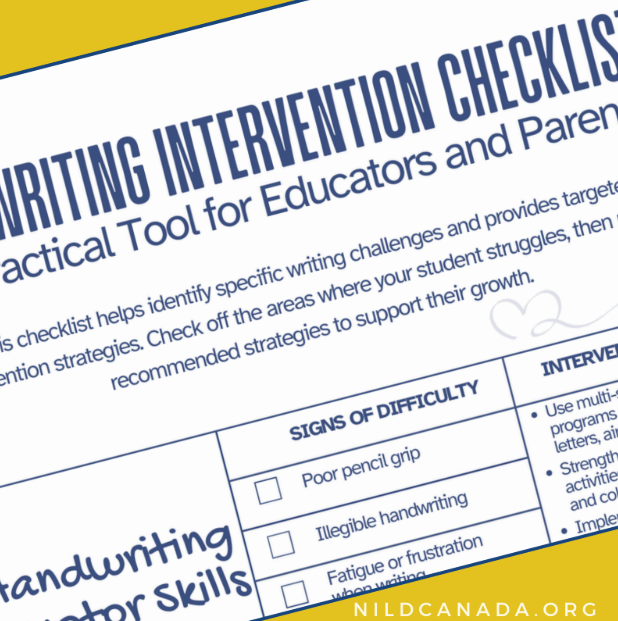
If you’re looking for more strategies to support struggling writers, download our Writing Intervention Checklist PDF. It includes some signs of difficulty you may be witnessing and related recommended interventions.
Rx for Writing Workshop is a hands-on training for parents and educators that will provide you with structured interventions to help students develop strong, confident writing skills.
Let’s equip our students with the tools they need to succeed—one word at a time!