
As homeschooling parents, teaching our child the fundamentals of reading, writing, and math is at the core of our educational journey. We spend countless hours researching and selecting the best curriculum that aligns with both our child’s needs and our family’s values. Ensuring a solid grasp of the basics is our top priority. In this post, we’ll share simple yet powerful tips to help you build a strong foundation in each subject, empowering you to become a more confident and effective educator.
Building a Strong Foundation for Reading
To teach reading, you need to focus on two important areas: decoding and comprehension. Phonics, which involves letter sounds and word recognition, is key to decoding. But equally important is helping children understand what they read, or comprehension.
Scarborough’s Reading Rope is a helpful model that combines these two strands for effective reading instruction.
- Word Recognition Strand: includes decoding, sound awareness, and recognizing common words by sight
- Language Comprehension Strand: focuses on vocabulary, background knowledge, and the ability to understand language and its structure
By teaching both strands together, you can help your child not only read words but also enjoy and understand stories and information.

Encouraging Strong Writing Skills
The ability to read and write does not develop naturally but takes careful planning and instruction. Writing is an incredibly complex task that involves sensory processing and motor systems as well as language and cognition (thinking skills). These systems must work in tandem for good writing skills to be achieved.
- Visual-Motor: ability to physically write letters and words on paper
- Language: ability to distinguish the differences of letters and sounds auditorily and visually and develop them into sentences and paragraphs
- Cognition: ability to plan and the thinking skills needed to develop ideas
- Motivation: ability to believe to persevere and desire to accomplish the task
Teaching students to write involves clear, step-by-step instruction. Start with letters, then build to words, sentences, paragraphs, and eventually, stories or essays. Model effective writing as you work alongside your child. Remember, progress takes time—“Rome wasn’t built in a day.” Provide plenty of practice, and keep in mind that slow and steady wins the race!

Building a Solid Math Foundation
Math can be intimidating, but a strong foundation makes a big difference. Two main skills are important here: number sense and critical thinking.
- Number Sense: the ability to understand and work with numbers in a flexible way. Instead of memorizing facts, encourage your child to explore number relationships, make estimates, and think about why math concepts work. This helps them develop a natural feel for math.
- Critical Thinking: problem-solving isn’t just about doing math but also about understanding it. Encourage your child to approach problems logically, recognize patterns, and find different ways to solve them. Activities like math games and open-ended questions help build this skill and make math more engaging and applicable to real life.
Using Helpful Resources and Support
Teaching at home is a journey, and using the right resources can make it easier. Training programs like NILD Canada’s Teaching the Foundations of Reading, Writing, and Math” workshop offer tools and strategies specifically designed for homeschooling parents.
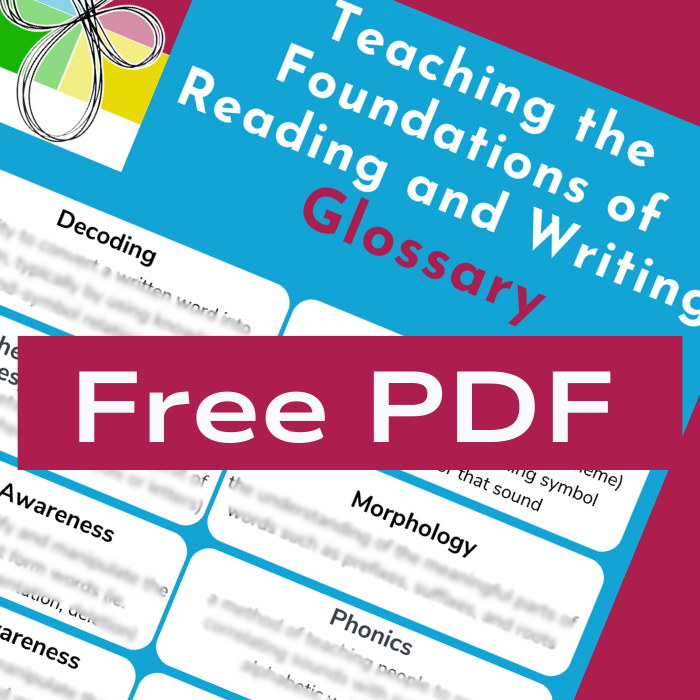
If you’re looking for a helpful tool to navigate the key terms used in teaching reading and writing, we’ve got you covered! Download our FREE PDF Glossary of Terms, designed to clarify essential concepts like phonics, decoding, and phonological awareness. It’s a great resource to keep all those terms straight.
Joining a homeschooling community is also valuable. Local groups, online forums, and co-ops allow parents to share advice, collaborate, and find support, which can be especially helpful if homeschooling ever feels isolating.
With the right tools and support network, you can confidently guide your child through reading, writing, and math, laying a foundation for lifelong learning.