
Why do some of the brightest students struggle with executive function skills? Why do they struggle to stay organized, complete assignments, or manage their emotions?
Have you ever taught a student who clearly understands a lesson, contributes thoughtful answers in class, and demonstrates strong reasoning skills—yet regularly forgets homework, loses materials, struggles to begin assignments, or becomes overwhelmed by simple tasks?
It’s one of the most common frustrations educators and parents face.
These students are often described as lazy, careless, unmotivated, or disorganized. But what if those labels miss the real problem?
In many cases, the issue isn’t intelligence. It’s executive function skills.
Executive function skills are the brain’s management system. They help students plan, organize, remember information, focus attention, regulate emotions, and monitor their own learning. When these skills are underdeveloped, students often know what to do but struggle with how to do it.
Whether you’re looking for information about executive functioning in the classroom, working memory strategies, or practical ways of supporting students with executive function challenges, understanding these skills can transform how you teach—and how your students learn.

What Are Executive Function Skills?
Executive function skills are the mental processes that allow us to manage ourselves and our learning. Think of them as the brain’s CEO or air traffic control system, coordinating the many tasks required to achieve a goal.
These skills include:
- Attention and focus
- Working memory
- Planning and prioritizing
- Organization
- Task initiation
- Self-monitoring
- Emotional regulation
- Flexible thinking
- Time management
Students use executive function skills every day. They rely on them to follow directions, complete assignments, solve problems, manage emotions, and become independent learners.
When these skills are strong, learning becomes more efficient. When they’re weak, even highly capable students can struggle.
Why Intelligence Isn’t Enough
One of the biggest misconceptions in education is that smart students should naturally succeed.
Yet every educator has encountered students who:
- Read well but never remember to hand in assignments.
- Understand math concepts but make careless mistakes.
- Have wonderful ideas but can’t organize them into writing.
- Know classroom routines but still forget what they need.
- Participate enthusiastically but rarely finish independent work.
Comments like “Just try harder” or “Pay attention” assume students already possess the executive function skills needed to do those things.
Many don’t.
Knowing what to do and consistently doing it are two very different skills.
What the Research Says
Executive function isn’t simply another educational buzzword—it’s one of the most researched areas in cognitive science and child development.
Their research explains that these skills—including working memory, self-control, and mental flexibility—develop over time through supportive relationships, intentional instruction, and repeated opportunities to practice.
Likewise, Russell A. Barkley, one of the world’s leading experts on ADHD and executive functioning, explains that many students know what they are expected to do but struggle to consistently translate that knowledge into action because of weaknesses in self-regulation and executive functioning.
This research shifts an educator’s perspective.
Instead of asking,
“Why isn’t this student trying?”
we begin asking,
“Which executive function skill is making this task difficult?”
That single question opens the door to effective teaching rather than frustration.
Executive Functioning in the Classroom
Executive functioning in the classroom affects nearly every part of a student’s day.
Students with executive function difficulties may:
- Forget homework or materials
- Lose track of instructions
- Miss deadlines
- Struggle to begin assignments
- Rush through work without checking it
- Become overwhelmed by multi-step tasks
- Have emotional outbursts when frustrated
These behaviours are often mistaken for attitude or motivation problems when they actually reflect missing executive function skills.
Looking beneath the behaviour helps educators identify the skill that needs strengthening.

Common Signs of Executive Function Weaknesses
Executive function challenges look different from one student to another.
Attention
Difficulty maintaining focus or filtering distractions.
Working Memory
Working memory allows students to temporarily hold and use information while completing a task.
Students with weak working memory often:
- Forget multi-step directions
- Lose track of what they were doing
- Forget what they just read
- Struggle to organize ideas while writing
Helpful working memory strategies include:
- Providing written instructions
- Breaking tasks into smaller steps
- Using visual reminders
- Encouraging students to repeat directions aloud
- Building regular “check-in” moments during independent work
Organization
Difficulty keeping materials, assignments, and information organized.
Planning
Feeling overwhelmed by long-term assignments because students don’t know where to begin.
Self-Monitoring
Not noticing mistakes or recognizing when help is needed.
Emotional Regulation
Becoming easily frustrated, shutting down, or avoiding challenging tasks.
Executive Function Activities and Strategies for the Classroom
The encouraging news is that executive function skills can be strengthened.
Research consistently shows that students benefit when these skills are taught explicitly rather than assumed.
You don’t need to redesign your classroom. Small, intentional practices can have a lasting impact.
Try these executive function activities:
- Teach students to create a simple plan before beginning work.
- Break large assignments into manageable steps.
- Use visual schedules, checklists, and graphic organizers.
- Reduce working memory demands by providing written directions.
- Build self-monitoring routines [link to Self-Monitoring Cue Cards PDF] by asking:
- Did I complete every step?
- Does my work make sense?
- What should I check before handing this in?
- Model your own thinking aloud so students hear how successful learners plan and solve problems.
Executive Function Across Different Learning Environments
Executive function skills matter wherever students learn.
Classroom teachers can embed planning, organization, and self-monitoring into daily instruction.
Special education teachers and learning support staff can identify which executive function skills are affecting student performance and provide targeted support.
Educational assistants can reinforce routines and encourage students to become increasingly independent rather than relying on prompts.
Homeschool parents can intentionally teach planning, organization, and emotional regulation during everyday learning experiences.
Educational therapists can strengthen underlying cognitive processes while helping students transfer those skills into academic success.
Although each role is different, the goal is the same: helping students become independent, confident learners.

Turning Research into Everyday Practice
Understanding executive function research is valuable.
Knowing how to apply it in real classrooms is what changes student outcomes.
There is no shortage of books, articles, and podcasts explaining executive function. What many educators need is practical guidance for recognizing executive function challenges and teaching these skills intentionally during everyday instruction.
That’s exactly what NILD Canada’s Executive Function Workshop provides.
Grounded in current research and classroom experience, the workshop equips educators with practical, immediately usable strategies for strengthening attention, working memory, planning, organization, self-monitoring, and emotional regulation.
Frequently Asked Questions
Can executive function skills improve?
Yes! Executive function skills continue developing throughout childhood and adolescence and can be strengthened through explicit instruction, guided practice, and consistent opportunities to apply them.
How can teachers improve executive functioning in the classroom?
By teaching planning routines, reducing working memory demands, modeling organization, using visual supports, and helping students reflect on their own learning.
Are executive function difficulties only associated with ADHD?
No. While executive function challenges are common in students with ADHD, they are also seen in students with learning disabilities, autism spectrum disorder, anxiety, and even students who are developing these skills more slowly than their peers.
Ready to Strengthen Executive Function Skills?
Whether you’re a classroom teacher, special education teacher, educational assistant, homeschool parent, educational therapist, or learning support professional, you can help students become more independent and successful learners.
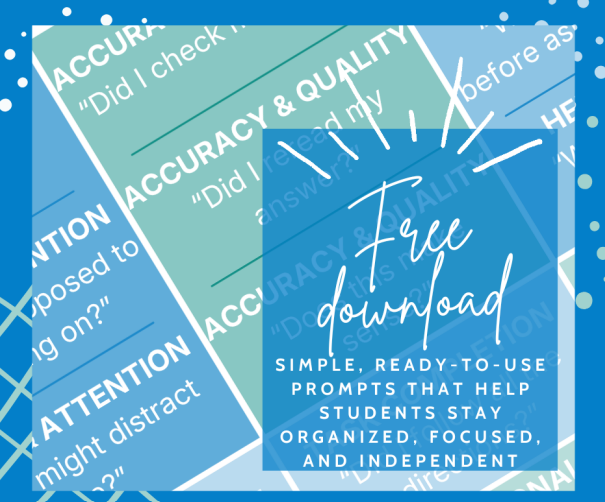
Start by downloading our free Executive Function Cue Cards, filled with practical prompts and strategies you can use immediately.
Then, join us for NILD Canada’s Executive Function Workshop, where you’ll learn research-based, classroom-tested strategies for strengthening:
- Attention
- Working memory
- Planning
- Organization
- Self-monitoring
- Emotional regulation
- Cognitive flexibility
You’ll leave with practical tools you can begin using the very next day.
Because students don’t simply need to work harder.
They need the right skills—and educators who know how to teach them.
Learn More
Interested in exploring the research behind executive function?
These trusted resources are excellent places to begin:
Explore articles, videos, and practical resources explaining how executive function develops and why it plays such an important role in learning, behaviour, and lifelong success.
One of the world’s leading experts on ADHD and executive functioning, Dr. Barkley shares research summaries, articles, videos, and recommended resources for educators, clinicians, and families.
- Fact Sheets by Russell A Barkley
Includes ‘The Important Role of Executive Functioning and Self-Regulation in ADHD’ and ‘Classroom Accommodations for Children with ADHD’ by Dr. Barkley.
The more we understand executive function, the better equipped we are to help every student reach their potential.